It's a calling, not a job: A profile of Jack Jacqua and the Nabe’s Peer Counseling Program
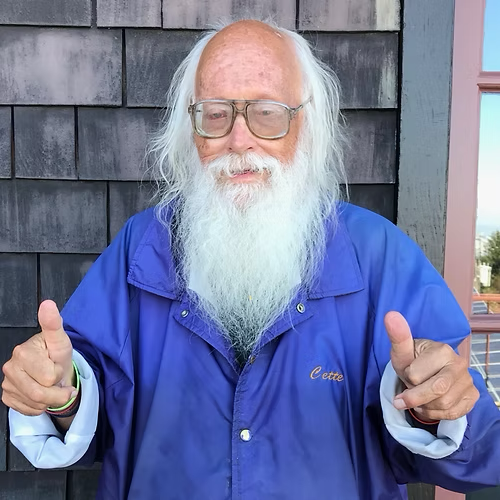
Jack doesn’t talk about this work as a career. He talks about it as something he was pulled toward. There was no single turning point, just a lifelong instinct to help people and a belief that life had to mean more than clocking in and getting by. For more than 50 years, Jack has committed his life to organizing for social justice and supporting youth to rebuild their lives and shape a new path.
That search for meaning took shape through the justice movements of the 1960s and 70s. Working in San Francisco’s housing projects and community spaces, he began to notice patterns that were hard to ignore. Too many kids were being punished instead of supported, and tracked toward incarceration instead of opportunity. Over time, he became more certain that showing up for young people and families had to be part of the response.
In the late 80s, Jack co-founded the Omega Boy’s Club, a San Francisco-based youth development and violence prevention organization focused on supporting young people with academic and life skills in a supportive community environment.
Jack’s work continued to expand into community settings, including after-school programs, recreation centers, and time spent with families in their homes. He focused on building relationships and understanding what young people were dealing with day to day. He talked with parents and caregivers, and saw how financial strain, family stress, and neighborhood dynamics shaped kids’ choices and opportunities. Supporting youth was about helping them feel supported and connected to resources that made change possible.
Over the years, one truth has stayed at the center of Jack’s work: people need to better understand what young people carry with them when they enter the juvenile justice system. As Jack says, many of these kids are living with anger, fear, and pain. Too often, adults respond with directions and consequences instead of taking time to hear what a young person is feeling.
For Jack, change starts with listening without judgment, lectures, or rushing to fix. It also takes consistency. Sometimes trust comes quickly. Sometimes it takes years. Either way, he keeps showing up, stays steady, and keeps the door open.
That approach is at the heart of the Nabe’s Peer Counseling Program, which Jack has led as Peer Counseling Manager for more than 30 years. The program supports San Francisco youth and young adults most impacted by the juvenile justice system. It serves youth ages 12–25 in Juvenile Hall and youth ages 14–25 in Juvenile Commitment Programs, using the same steady model whether someone is in custody for days, months, or years. The commitment is simple: we don’t screen youth out, and we don’t give up on them.
At its core, the Nabe and its programs have provided what the community needed and still needs: a safe place. A place where young people can talk honestly, get support, and feel seen. Many young people in custody have survived severe trauma and repeated loss, and Peer Counseling meets that reality with consistent, relationship-based support. It happens through one-on-one and group sessions inside Juvenile Hall, and it continues after release through mentorship, advocacy, and connection to resources.
In sessions, youth are encouraged to reflect on the roots of their incarceration, process grief and trauma, and practice accountability without shame. They set their own goals, because lasting change can’t be forced from the outside. When possible, the program involves families too, offering support and guidance to help them navigate the system and strengthen what’s happening at home.
Engagement is one of the program’s strongest outcomes. Because youth know the adults involved are committed, they stay connected. Support doesn’t end at the gate. The program follows youth after release and connects them to services like case management, counseling, housing, education, and job training.
For Jack, the work continues for the same reason it began: when young people are heard, and when someone is willing to keep showing up, change becomes possible.


